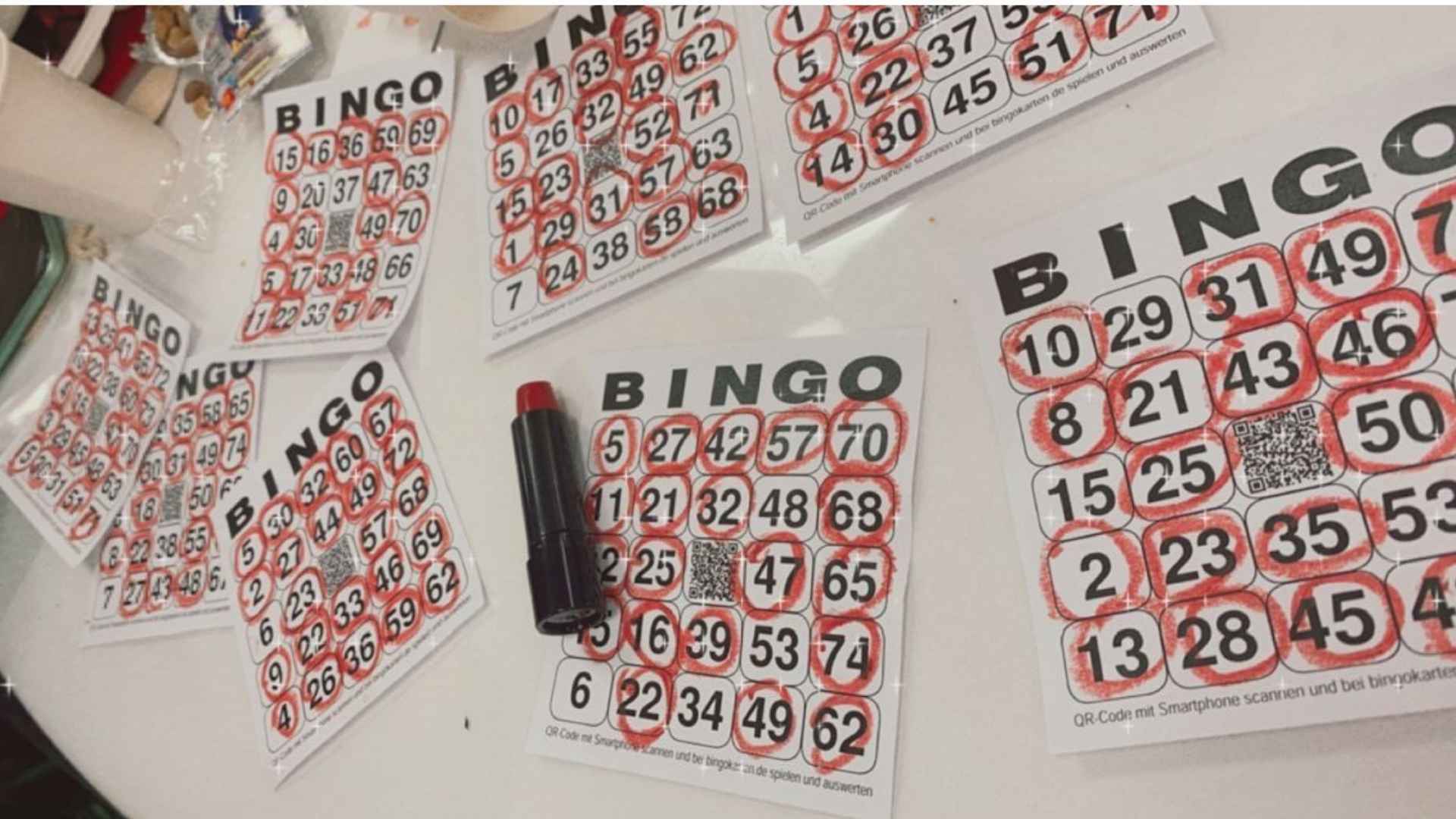
Many participants in number-based games devote significant time to tracking sequences, studying past results, and identifying perceived trends. The desire to find order within randomized draws is a common human trait, leading many to believe that structured selections yield better outcomes. However, statistical principles consistently demonstrate that theoretical patterns rarely offer an advantage over completely random choices.
The Mathematical Independence of Every Draw
In structured probability games, every single drawing operates as an independent event. Past winning combinations hold zero influence over future selections, regardless of how recently a specific sequence appeared. This fundamental principle ensures that every valid numerical combination maintains the exact same mathematical odds of being drawn.
When players track historical outcomes, they are observing past randomness rather than predicting future behavior. Believing that a digit is "due" to appear misinterprets basic statistical mechanics. Random selection algorithms reset completely with each round, invalidating trend-based forecasts.
Psychological Biases and the Illusion of Control
Human psychology naturally seeks patterns even in entirely chaotic systems. This cognitive tendency often tricks individuals into perceiving meaningful sequences where only random distribution exists. As a result, players develop strong confidence in personalized formulas that lack empirical backing.
This mental connection creates a false sense of control over inherently unpredictable systems. Recognizing these cognitive traps helps enthusiasts maintain an objective perspective during play. Accepting that chance governs each outcome promotes healthier and more realistic engagement.
Evaluating Random Picks Against Custom Formulas
Automated selection tools, often referred to as quick picks, generate numbers using certified random number generators. Because these systems do not suffer from human bias, they offer an efficient and completely unbiased selection method. In terms of raw probability, quick picks perform on par with carefully calculated manual entries.
Furthermore, relying on automated selections removes the emotional stress of tracking complex grids. It allows participants to focus on the entertainment aspect rather than feeling pressured to uncover non-existent rules. Ultimately, simplicity remains the most efficient path when dealing with randomized systems.
Focusing on Responsible Session Management
Understanding that no pattern can alter mathematical probability highlights the importance of personal discipline. Rather than spending resources pursuing guaranteed strategies, experienced participants prioritize strict session limits and clear budgets. Managing time and financial allocation ensures that participation remains a positive form of recreation.
By setting defined boundaries before each session, individuals protect themselves from impulsive decisions. Approaching numeric games with analytical clarity helps preserve the balance between fun and responsibility. Knowledgeable players accept the nature of chance and focus on controlled, enjoyable engagement.