Coravarion | Gaming News, Reviews & Walkthroughs Coravarion | Gaming News, Reviews & Walkthroughs 

Why Keeping Track of Eagle Artillery Activation Thresholds Matters
Cover Story

Why Keeping Track of Eagle Artillery Activation Thresholds Matters

Why Keeping Track of Eagle Artillery Activation Thresholds Matters

25 Nov 2026 News
Read Article
Board Games
Highlights

Feature Section

Latest Updates

Brief Columns

Live
01
Why Keeping Track of Eagle Artillery Activation Thresholds Matters
25 Nov 2026 News

Why Keeping Track of Eagle Artillery Activation Thresholds Matters

Why Keeping Track of Eagle Artillery Activation Thresholds Matters

In high-level Clash of Clans offensive planning, managing house space capacity during deployments directly impacts defense triggers. The Eagle Artillery remains one of the most formidable defensive structures due to its map-wide range and devastating splash damage. Understanding how troop housing counts trigger this weapon allows attackers to delay its activation while securing critical funnel value.

The Math Behind Eagle Artillery Activation

The Eagle Artillery activates only after a specific amount of troop housing space is deployed onto the battlefield. Each regular unit, hero, spell, and siege machine contributes a designated numerical value toward this total limit. Spells and heroes count significantly toward reaching the trigger mark earlier than standard low-cost troops.

Failing to keep track of these numbers often leads to premature defensive bombardment across fragile army lines. Managing deployment sequences carefully ensures that support spells and secondary forces enter the map without waking the artillery unexpectedly. Attacking players must calculate unit weight to balance initial funneling against core defense activation.

Pacing Hero Walks and Funnel Deployments

Queen Charges and Warden Walks are effective entry tactics, but dropping excessive spell support can accidentally activate the Eagle Artillery early. Each hero consumes a set housing space equivalence, and adding Rage or Invisibility Spells adds to that running counter. Maintaining momentum while staying under the activation line keeps key defenses passive longer.

Attacking strategies that rely on prolonged setup phases benefit immensely from delaying defensive responses. Isolating outer base sections with minimal unit investment preserves capacity for the main push later in the attack. Successful players monitor troop counts constantly during the opening seconds of a raid.

Protecting Core Units from Devastating Artillery Shells

Once the Eagle Artillery wakes up, it targets high-density troop clusters and high-health units with persistent artillery barrages. If main smash forces arrive at the base core while already under fire, overall army sustainability drops drastically. Delaying its activation ensures troops reach critical objectives before taking heavy splash damage.

Smart unit staggering forces the Eagle to lock onto durable tanks rather than vulnerable support units. Coordinating the Grand Warden Eternal Tome ability right as the first salvo strikes minimizes devastating losses during core pushes. Timing ability activations alongside housing space management turns complex bases into manageable raids.

Refining War Attack Strategies Through Precise Calculation

Competitive players analyze enemy layouts specifically to plan around weapon activation windows. Knowing exactly when the artillery turns online allows for better spell allocation and troop placement. Mastery over deployment math separates standard two-star hits from reliable three-star war performances.

Practicing unit counts across different attack archetypes improves overall tactical composure under timed war pressure. As defensive levels scale higher, managing every operational detail ensures higher success rates. Controlling when major defenses activate remains a core skill for mastering advanced attack strategies.

02
Why Keeping Track of Eliminated Players Resets the Champion Pool
24 Nov 2026 News

Why Keeping Track of Eliminated Players Resets the Champion Pool

Why Keeping Track of Eliminated Players Resets the Champion Pool

In auto-battler strategy games like Teamfight Tactics, managing the shared draft environment is crucial to gaining a competitive edge. Whenever a player is knocked out of a match, all of the units they bought immediately return to the central shared shop pool. Understanding how this mechanic shifts unit availability allows high-level players to make calculated financial decisions during late-game turns.

How Player Elimination Returns Units to the Shared Pool

When a participant loses their remaining health, the game system automatically recycles their entire roster back into the shared draft pool. This includes units currently deployed on their board, reserved on their bench, or sitting in temporarily locked shop slots. As a result, previously contested champions become readily available for the remaining competitors to purchase.

This sudden influx of units alters the statistical odds of rolling specific champions during late-stage shop refreshes. Players who actively monitor the lobby elimination feed gain immediate insight into which champion tiers have suddenly increased in availability.

Calculating the Shift in Champion Odds After Knockouts

Each champion tier maintains a limited, finite quantity within the shared card pool at the start of a match. When multiple players contest the same trait line or high-tier carries, the remaining copies in the pool quickly deplete. Knockouts instantly reverse this scarcity by releasing all held copies back into circulation.

Recognizing when key four-cost or five-cost units return to the pool prevents players from spending gold prematurely. Rolling for upgraded units right after a contested competitor gets eliminated yields significantly higher success rates.

Strategic Timing for Late-Game Rolldowns

Timing a major shop refresh immediately after a lobby elimination can yield maximum value for your gold reserve. If an opponent holding several copies of your target carry is knocked out, your chances of hitting three-star upgrades increase exponentially. Patient players often wait for these strategic windows before committing their accumulated interest gold.

Conversely, failing to notice player eliminations might lead to missing key power spikes before surviving opponents snatch up the newly available units. Staying vigilant during elimination rounds ensures you capitalize on fresh pool inventory ahead of rival scouts.

Leveraging Elimination Tracking for Strategic Pivots

Monitoring player knockouts also provides vital information regarding when to pivot into alternative team compositions. If a dominant player contesting your preferred trait exits the match, their returned units clear the path for a smooth transition. This dynamic pool mechanic rewards flexible playstyles that adapt to changing lobby conditions.

Ultimately, keeping close track of eliminated players transforms late-game drafting from random chance into a calculated strategy. Integrating pool tracking into your regular scouting habits offers a distinct advantage for securing top-four placements consistently.

03
Why Keeping Track of Death Timers Dictates Post Fight Objectives
23 Nov 2026 News

Why Keeping Track of Death Timers Dictates Post Fight Objectives

Why Keeping Track of Death Timers Dictates Post Fight Objectives

Winning a team fight in League of Legends is only half the battle, as the true measure of success lies in what your team accomplishes while the enemy is off the map. Death timers dictate the exact window of opportunity available to secure towers, take major neutral monsters, or push minion waves before the opposition respawns. Failing to accurately account for these timers often transforms a decisive victory into a dangerous overextension that hands back momentum.

Evaluating Available Windows for Post Fight Conversion

When an enemy champion falls, their death timer sets a strict countdown for how much map control your team can safely assert. Early in the game, short respawn times mean you may only have enough time to crash a single wave or clear one jungle camp. As the game scales into late stages, extended timers provide the necessary room to secure major objectives like Baron Nashor or an Inhibitor.

Understanding how much time you have allows team shotcallers to make instant, accurate decisions after a clash finishes. Teams that track death timers efficiently avoid wasting precious seconds standing indecisively in the jungle. This speed of decision-making ensures that every won fight translates into a tangible gold or structural lead.

Choosing the Correct Objective Based on Respawn Clocks

Not all post-fight objectives require the same amount of time to complete, making timer tracking vital for selecting the right target. Securing a Dragon might take ten seconds, whereas pushing down a outer turret, inner turret, and inhibitor tower requires significantly more time and minion support. Matching your team's remaining health, mana, and wave position against enemy respawn timers prevents disastrous objective throws.

If enemy respawn clocks show only ten seconds remaining, attempting a risky Baron start can lead to a wipe when the opponents collapse with full health. In these tight windows, taking a safer route like clearing enemy vision or stealing jungle camps yields consistent value. Recognizing when to take a modest gain rather than overcommitting keeps your lead intact.

Factoring Map Distance and Movement Speed

Death timers only tell part of the story, as respawned champions must also travel from their fountain back to the objective area. Accounting for homeguard movement speed boosts and potential Teleport plays gives a precise picture of when the enemy will actually arrive. Teams must calculate both the respawn duration and the physical travel time across Summoner's Rift.

A twenty-second death timer might only afford fifteen seconds of safe objective damage if the enemy team has high mobility or global ultimate abilities available. Factor in these travel variables before initiating a post-fight objective call to maintain complete safety. Accurate spatial awareness ensures your squad disengages before the opposing team can mount a defense.

Executing Clean Recalls and Avoiding Greed

The final phase of any post-fight play is knowing exactly when to stop hitting structures and head back to base. Overstaying past the enemy's respawn window is one of the primary causes of thrown leads in ranked solo queue. Greed tempts players to stay for one more wave or turret plate, often resulting in isolated shutdowns.

Establishing a hard recall timing based on death timers allows your team to spend accumulated gold and return to the map fully restored. Returning to base on time resets the tempo, ensuring you face the newly respawned enemy on equal terms with upgraded items. Consistent discipline during post-fight transitions builds long-term victory rates.

04
Why Keeping Track of Death Timers Dictates Post Fight Objectives
23 Nov 2026 News

Why Keeping Track of Death Timers Dictates Post Fight Objectives

Why Keeping Track of Death Timers Dictates Post Fight Objectives

Winning a team fight in League of Legends is only half the battle, as the true measure of success lies in what your team accomplishes while the enemy is off the map. Death timers dictate the exact window of opportunity available to secure towers, take major neutral monsters, or push minion waves before the opposition respawns. Failing to accurately account for these timers often transforms a decisive victory into a dangerous overextension that hands back momentum.

Evaluating Available Windows for Post Fight Conversion

When an enemy champion falls, their death timer sets a strict countdown for how much map control your team can safely assert. Early in the game, short respawn times mean you may only have enough time to crash a single wave or clear one jungle camp. As the game scales into late stages, extended timers provide the necessary room to secure major objectives like Baron Nashor or an Inhibitor.

Understanding how much time you have allows team shotcallers to make instant, accurate decisions after a clash finishes. Teams that track death timers efficiently avoid wasting precious seconds standing indecisively in the jungle. This speed of decision-making ensures that every won fight translates into a tangible gold or structural lead.

Choosing the Correct Objective Based on Respawn Clocks

Not all post-fight objectives require the same amount of time to complete, making timer tracking vital for selecting the right target. Securing a Dragon might take ten seconds, whereas pushing down a outer turret, inner turret, and inhibitor tower requires significantly more time and minion support. Matching your team's remaining health, mana, and wave position against enemy respawn timers prevents disastrous objective throws.

If enemy respawn clocks show only ten seconds remaining, attempting a risky Baron start can lead to a wipe when the opponents collapse with full health. In these tight windows, taking a safer route like clearing enemy vision or stealing jungle camps yields consistent value. Recognizing when to take a modest gain rather than overcommitting keeps your lead intact.

Factoring Map Distance and Movement Speed

Death timers only tell part of the story, as respawned champions must also travel from their fountain back to the objective area. Accounting for homeguard movement speed boosts and potential Teleport plays gives a precise picture of when the enemy will actually arrive. Teams must calculate both the respawn duration and the physical travel time across Summoner's Rift.

A twenty-second death timer might only afford fifteen seconds of safe objective damage if the enemy team has high mobility or global ultimate abilities available. Factor in these travel variables before initiating a post-fight objective call to maintain complete safety. Accurate spatial awareness ensures your squad disengages before the opposing team can mount a defense.

Executing Clean Recalls and Avoiding Greed

The final phase of any post-fight play is knowing exactly when to stop hitting structures and head back to base. Overstaying past the enemy's respawn window is one of the primary causes of thrown leads in ranked solo queue. Greed tempts players to stay for one more wave or turret plate, often resulting in isolated shutdowns.

Establishing a hard recall timing based on death timers allows your team to spend accumulated gold and return to the map fully restored. Returning to base on time resets the tempo, ensuring you face the newly respawned enemy on equal terms with upgraded items. Consistent discipline during post-fight transitions builds long-term victory rates.

05
Why Keeping Track of Respawn Timers Dictates Post Fight Objectives
22 Nov 2026 News

Why Keeping Track of Respawn Timers Dictates Post Fight Objectives

Why Keeping Track of Respawn Timers Dictates Post Fight Objectives

Securing a victory in high-level team fights is only half the battle in competitive arena gaming. What a team accomplishes immediately after the skirmish often determines who ultimately wins the match. Monitoring enemy respawn timers acts as the master clock for post-fight decision-making, allowing teams to convert temporary numerical advantages into lasting map control.

Evaluating Available Time Windows

When opponents are eliminated, their respawn timers create a strict countdown window for your team to act. A short fifteen-second window might only allow for pushing a single minion wave or clearing local jungle camps. Attempting to take a major objective like the Overlord with insufficient time often leads to disastrous steal attempts as the enemy team returns at full health.

Longer late-game respawn timers open up much more aggressive tactical options for the victorious squad. Teams can comfortably sequence multiple objectives, such as destroying an outer turret before transitioning to take a boss monster. Accurately reading these timers prevents teams from overstaying their welcome and getting caught with low health reserves.

Prioritizing High-Value Map Assets

Understanding death duration helps teams prioritize which objectives offer the highest return on investment before opponents return. If respawn timers are long enough, taking down inner towers or high-ground structures takes priority over neutral monsters because structural damage is permanent. Conversely, shorter windows favor quick neutral buffs that enhance map pressure without risking a wipe near the enemy base.

Proper prioritization also depends on hero roles remaining on the map after the clash concludes. A team with a surviving marksman can melt structures rapidly during a brief window, whereas a team left with only defensive supports might need to settle for stealing enemy jungle resources. Matching your team's pushing power with the available respawn time ensures zero wasted seconds.

Executing Clean Disengages

The final crucial aspect of tracking respawn timers is knowing exactly when to retreat and reset. Greed is a primary cause of throw conditions in ranked matches, usually occurring when players push for one more objective despite enemy timers reaching zero. Backing off before the enemy team spawns allows your team to spend gold and maintain map control safely.

Disciplined teams treat the end of a respawn timer as a hard deadline to fall back into defensive or neutral positions. Establishing proper vision and retreating to reset health ensures that the gold advantage gained from the previous fight is not handed right back. Mastering this rhythm of engagement, objective capture, and timely withdrawal builds consistent long-term victory rates.

06
Why Keeping Track of Respawn Timers Dictates Post Fight Objectives
21 Nov 2026 News

Why Keeping Track of Respawn Timers Dictates Post Fight Objectives

Why Keeping Track of Respawn Timers Dictates Post Fight Objectives

In competitive multiplayer games, winning a major team fight is only half the battle. What a team decides to do in the immediate seconds following a skirmish often determines whether they convert that victory into a game-ending lead. Keeping close track of enemy respawn timers is the primary factor that dictates which post-fight objectives can be taken safely and effectively.

Evaluating Available Time After a Successful Engagement

When an enemy player is eliminated, a countdown clock begins before they can re-enter the match. Late in the game, these respawn delays become significantly longer, granting the surviving team a generous window to push turrets or secure neutral bosses. Calculating the remaining seconds allows team captains to choose between a fast base push or a safer jungle objective.

Misjudging this timeframe can lead to disastrous counter-attacks if opponents revive while your team is low on health and abilities. Knowing exactly when the first enemy will respawn ensures your team can retreat to safety right before the playing field balances out again. Precise timing transforms chaotic brawls into structured tactical progress.

Choosing Between Turrets, Lord, and Jungle Steals

Different objectives require varying amounts of time and team resources to secure after a fight. If enemy respawn timers are short, taking down an outer turret or clearing the opponent's jungle buff is often the safest play. Pursuing a high-health objective like the Lord with only ten seconds remaining on enemy timers invites unnecessary risk.

When respawn timers stretch past thirty seconds, teams gain enough leeway to push deep into the enemy base or secure critical epic monsters. Prioritizing objectives based on available time prevents overextending and ensures your squad collects maximum value without giving up shutdown gold. Strategic flexibility stems directly from watching those top-of-the-screen countdowns.

Factoring in Map Distance and Recall Speeds

Respawn timers must always be evaluated alongside the physical distance between your team and the intended target. A twenty-second respawn window might seem long, but traveling across the map to the opposite lane cuts into that duration heavily. Teams must account for the seconds spent walking and channeling damage against structures.

Enemy heroes with high mobility or instant teleportation abilities can re-enter fights almost the exact moment they revive. Understanding these character traits helps teams set strict cutoff points for disengaging from objective pits. Effective shotcalling relies on matching spatial awareness with temporal precision.

Developing Team Communication Around Respawn Clocks

Consistent verbal calls regarding enemy revive status keep all five players aligned on the same objective goal. When shotcallers count down the final five seconds of an enemy's death timer, teammates know automatically when to stop attacking towers and fall back. This unified disengagement eliminates greedy deaths that frequently lead to throw scenarios.

Building the habit of monitoring death timers elevates a team's overall tactical discipline over time. Reviewing post-match replays helps squads identify moments where they overstayed their welcome or hesitated too long after securing a wipeout. Mastering this sense of timing is an essential step toward achieving higher competitive ranks.

07
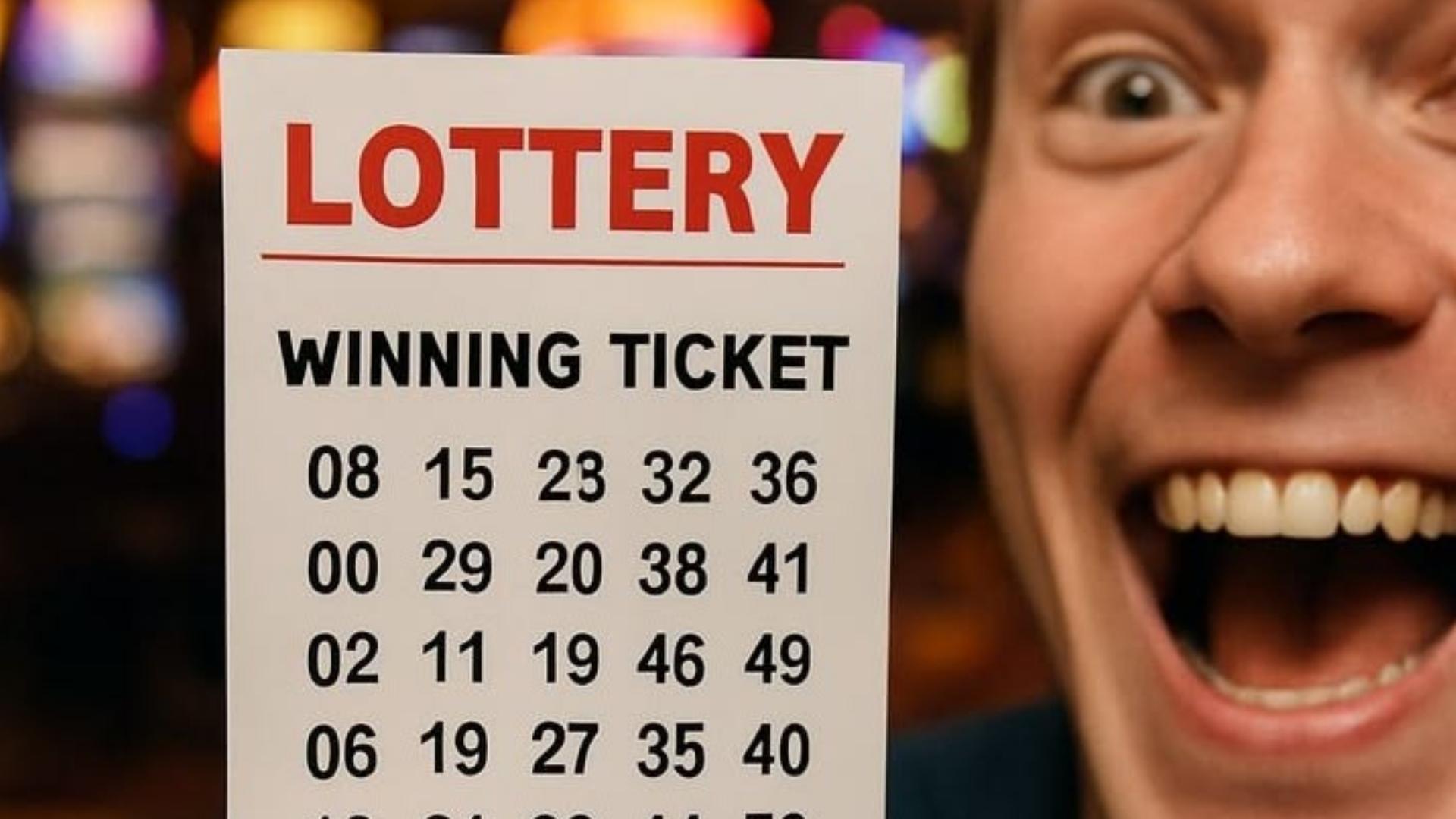
Why Chasing Specific Number Patterns Rarely Outperforms Random Picks
20 Nov 2026 News

Why Chasing Specific Number Patterns Rarely Outperforms Random Picks

Why Chasing Specific Number Patterns Rarely Outperforms Random Picks

Many participants in number-based games devote significant time to tracking sequences, studying past results, and identifying perceived trends. The desire to find order within randomized draws is a common human trait, leading many to believe that structured selections yield better outcomes. However, statistical principles consistently demonstrate that theoretical patterns rarely offer an advantage over completely random choices.

The Mathematical Independence of Every Draw

In structured probability games, every single drawing operates as an independent event. Past winning combinations hold zero influence over future selections, regardless of how recently a specific sequence appeared. This fundamental principle ensures that every valid numerical combination maintains the exact same mathematical odds of being drawn.

When players track historical outcomes, they are observing past randomness rather than predicting future behavior. Believing that a digit is "due" to appear misinterprets basic statistical mechanics. Random selection algorithms reset completely with each round, invalidating trend-based forecasts.

Psychological Biases and the Illusion of Control

Human psychology naturally seeks patterns even in entirely chaotic systems. This cognitive tendency often tricks individuals into perceiving meaningful sequences where only random distribution exists. As a result, players develop strong confidence in personalized formulas that lack empirical backing.

This mental connection creates a false sense of control over inherently unpredictable systems. Recognizing these cognitive traps helps enthusiasts maintain an objective perspective during play. Accepting that chance governs each outcome promotes healthier and more realistic engagement.

Evaluating Random Picks Against Custom Formulas

Automated selection tools, often referred to as quick picks, generate numbers using certified random number generators. Because these systems do not suffer from human bias, they offer an efficient and completely unbiased selection method. In terms of raw probability, quick picks perform on par with carefully calculated manual entries.

Furthermore, relying on automated selections removes the emotional stress of tracking complex grids. It allows participants to focus on the entertainment aspect rather than feeling pressured to uncover non-existent rules. Ultimately, simplicity remains the most efficient path when dealing with randomized systems.

Focusing on Responsible Session Management

Understanding that no pattern can alter mathematical probability highlights the importance of personal discipline. Rather than spending resources pursuing guaranteed strategies, experienced participants prioritize strict session limits and clear budgets. Managing time and financial allocation ensures that participation remains a positive form of recreation.

By setting defined boundaries before each session, individuals protect themselves from impulsive decisions. Approaching numeric games with analytical clarity helps preserve the balance between fun and responsibility. Knowledgeable players accept the nature of chance and focus on controlled, enjoyable engagement.

08
Can You Save Jackie In Cyberpunk Choices and Story Outcomes
20 Nov 2026 News

Can You Save Jackie In Cyberpunk Choices and Story Outcomes

Can You Save Jackie In Cyberpunk Choices and Story Outcomes

In Cyberpunk 2077, players quickly form a deep bond with Jackie Welles during the game's opening act. As the high-stakes heist at Konpeki Plaza goes awry, Jackie suffers critical injuries, leading many players to wonder if different choices could alter his fate. Understanding how this central story moment functions helps set realistic expectations for the narrative journey ahead.

Is It Possible to Prevent Jackie's Death?

Despite the wide array of dialogue choices and gameplay tactics available during The Heist, Jackie's death is a scripted event that cannot be avoided. Regardless of whether you stealth through the building or fight through every guard, the outcome remains unchanged once you enter the escape vehicle. His demise acts as a major narrative catalyst that propels V into the main conflict of Night City.

How Your Choices Impact Jackie's Remains

While you cannot save Jackie's life, you do have full control over where Delamain takes his body after the escape. You can choose to send his remains to his mother, take him to Viktor Vektor's clinic, or ask Delamain to wait for you. Each decision unlocks distinct story scenes and side interactions later in the campaign.

Sending Jackie Home to Mama Welles

Choosing to send Jackie to his family allows Mama Welles to hold a proper memorial service called an ofrenda in his honor. Attending this service gives V a chance to pay respects, speak with Misty, and collect memorable items. This path provides the most emotional closure for V and unlocks Jackie's iconic motorcycle as a permanent vehicle.

Choosing Viktor Vektor's Clinic or Other Options

If you decide to send Jackie to Viktor's clinic or leave him in the car, Arasaka agents eventually intercept his body. This outcome prevents the traditional memorial service from happening, changing how Mama Welles interacts with you later. Instead, it opens up unique story dialogue options regarding Arasaka's handling of deceased mercenaries in subsequent missions.

09
Panduan Mengevaluasi Performa Pemain Veteran di Turnamen Lapangan Cepat
04 Nov 2026 News

Panduan Mengevaluasi Performa Pemain Veteran di Turnamen Lapangan Cepat

Panduan Mengevaluasi Performa Pemain Veteran di Turnamen Lapangan Cepat

Pertandingan bulu tangkis di lapangan cepat selalu menyajikan tantangan khusus bagi para pemain senior atau veteran. Laju kok yang lebih kencang menuntut refleks kilat dan efisiensi pergerakan yang sangat tinggi di atas lapangan. Oleh karena itu, menilai peluang dan konsistensi pemain veteran dalam kondisi arena seperti ini membutuhkan indikator evaluasi yang spesifik.

Mengukur Efisiensi Pergerakan dan Penempatan Posisi

Pemain veteran umumnya mengandalkan posisi berdiri yang efisien untuk menghemat stamina sepanjang pertandingan. Di lapangan cepat, kemampuan membaca arah pukulan lawan secara presisi jauh lebih vital dibandingkan hanya mengandalkan kecepatan lari. Pengamatan terhadap bagaimana atlet senior memotong reli menjadi kunci dalam menilai efektivitas permainan mereka.

Selain itu, langkah kaki yang tenang membantu veteran tetap siap menghadapi serangan bertubi-tubi. Jika pergerakan posisi mereka sering terlambat sejak awal gim, hal tersebut bisa menjadi sinyal penurunan stamina. Faktor kontrol area belakang lapangan sangat menentukan apakah mereka dapat bertahan dalam laga berintensitas tinggi.

Menilai Ketahanan Fisik dalam Reli Singkat Berkecepatan Tinggi

Karakteristik lapangan cepat cenderung menghasilkan reli-reli pendek yang diwarnai pukulan smash keras dan drive cepat. Bagi pemain berpengalaman, pola ini bisa menjadi keuntungan jika mereka mampu menyelesaikan poin dengan efektif. Namun, jika lawan memaksa bermain dalam tempo tinggi secara terus-menerus, beban fisik pemain veteran akan meningkat pesat.

Penggemar olahraga yang ingin mempelajari dinamika performa atlet secara lebih mendalam sering kali memanfaatkan informasi dari m88 login sebagai panduan data olahraga terkini. Informasi yang matang membantu pengamat memahami faktor kondisi fisik dan tren performa sebelum turnamen dimulai. Hal ini menjadi dasar yang kuat dalam membuat analisis pertandingan yang lebih rasional.

Pengaruh Kematangan Taktik dan Pemilihan Jenis Pukulan

Pengalaman bertahun-tahun memberi keunggulan besar bagi pemain veteran dalam hal variasi pukulan di momen kritis. Mereka cenderung lebih cerdik memanfaatkan kelengahan lawan melalui dropshot tipis atau penempatan bola ke area kosong. Pengambilan keputusan yang matang ini sering kali mampu menutupi keterbatasan kecepatan fisik.

Strategi servis dan pengembalian servis juga menjadi senjata utama atlet senior di arena berkarakter cepat. Dengan menekan lawan sejak pukulan pertama, mereka dapat mengendalikan tempo permainan sesuai kehendak sendiri. Keberhasilan taktik ini sangat memengaruhi peluang mereka untuk memenangkan pertandingan.

Kesimpulan Evaluasi Performa Atlet Senior

Mengevaluasi atlet veteran di turnamen lapangan cepat memerlukan keseimbangan antara melihat aspek fisik dan kematangan taktis. Penguasaan lapangan, efisiensi stamina, serta kecerdasan membaca permainan merupakan indikator utama kesuksesan mereka. Dengan pendekatan evaluasi yang tepat, kualitas permainan para pemain senior tetap dapat diprediksi secara akurat.

10
Cara Mengevaluasi Konsistensi Penampilan Tim Utama di Turnamen Pemanasan
04 Nov 2026 News

Cara Mengevaluasi Konsistensi Penampilan Tim Utama di Turnamen Pemanasan

Cara Mengevaluasi Konsistensi Penampilan Tim Utama di Turnamen Pemanasan

Turnamen pemanasan sering kali menjadi ajang penting bagi tim-tim utama untuk menguji sejauh mana kesiapan mereka sebelum memasuki kompetisi resmi yang lebih bergengsi. Meskipun hasil akhir di ajang ini kerap dianggap sekadar uji coba, performa yang ditampilkan tetap menyimpan indikator penting mengenai stabilitas dan kekompakan tim. Menilai konsistensi suatu skuad memerlukan pendekatan analitis agar pengamat tidak terkecoh oleh sekadar hasil skor semata.

Menilai Kedalaman Eksperimen Taktis dan Draft Pick

Saat berlaga di turnamen pra-musim atau pemanasan, tim unggulan biasanya mencoba berbagai variasi strategi baru yang belum pernah dipublikasikan. Konsistensi dapat dilihat dari seberapa efektif mereka mengeksekusi strategi eksperimental tersebut di bawah tekanan laga nyata.

Jika sebuah tim tetap mampu menjaga dominasi permainan meski menggunakan kombinasi hero atau formasi yang tidak biasa, hal itu menandakan pemahaman taktis mereka sudah sangat matang. Sebaliknya, kegagalan berulang saat mencoba taktik baru mengindikasikan adanya celah adaptasi yang harus segera diperbaiki.

Mengukur Stabilitas Performa Individu dan Komunikasi Skuad

Konsistensi tim sangat bergantung pada kontribusi stabil dari setiap anggota di berbagai situasi pertandingan. Mengamati bagaimana para pemain merespons ketertinggalan poin memberikan gambaran nyata mengenai ketahanan mental serta kualitas komunikasi internal mereka.

Untuk memperoleh analisis mendalam mengenai statistik kompetisi esports terkini, Anda bisa mengunjungi laman m88 login sebagai referensi pelengkap data bertanding. Pemantauan data secara konsisten akan memudahkan pengamat dalam mengidentifikasi pemain mana yang paling stabil di arena.

Menganalisis Efisiensi Rotasi dan Penguasaan Objektif

Faktor kunci lain dalam mengevaluasi tim utama adalah kedisiplinan mereka dalam mengontrol area vital serta memenangkan pertempuran memperebutkan objektif map. Tim yang konsisten tidak akan kehilangan ritme permainan hanya karena kesalahan kecil di fase awal.

Rotasi yang presisi serta koordinasi antarlini saat transisi dari mid game ke late game menjadi tolok ukur utama kekompakan tim. Ketika eksekusi pergerakan di peta berjalan mulus di setiap seri laga, dapat dipastikan kesiapan mekanik mereka berada pada level optimal.

Membedakan Hasil Akhir dengan Kualitas Permainan Real time

Kekalahan di turnamen pemanasan tidak selalu mencerminkan kelemahan mendasar dari sebuah skuad papan atas. Banyak pelatih memanfaatkan ajang ini untuk menguji batas kemampuan fisik dan mental pemain tanpa membebankan target juara.

Oleh karena itu, evaluasi harus difokuskan pada penguasaan statistik penting seperti efisiensi net worth dan persentase sukses inisiasi pertempuran. Pemahaman yang komprehensif terhadap indikator teknis ini memberikan gambaran yang jauh lebih akurat mengenai potensi sesungguhnya dari tim favorit Anda.